🚚 Free delivery on orders over SAR 299* | Excludes heavy items
Cookie Policy
I agree to the processing of my data in accordance with the terms set out in the Privacy Policy.Cart
Your cart is empty
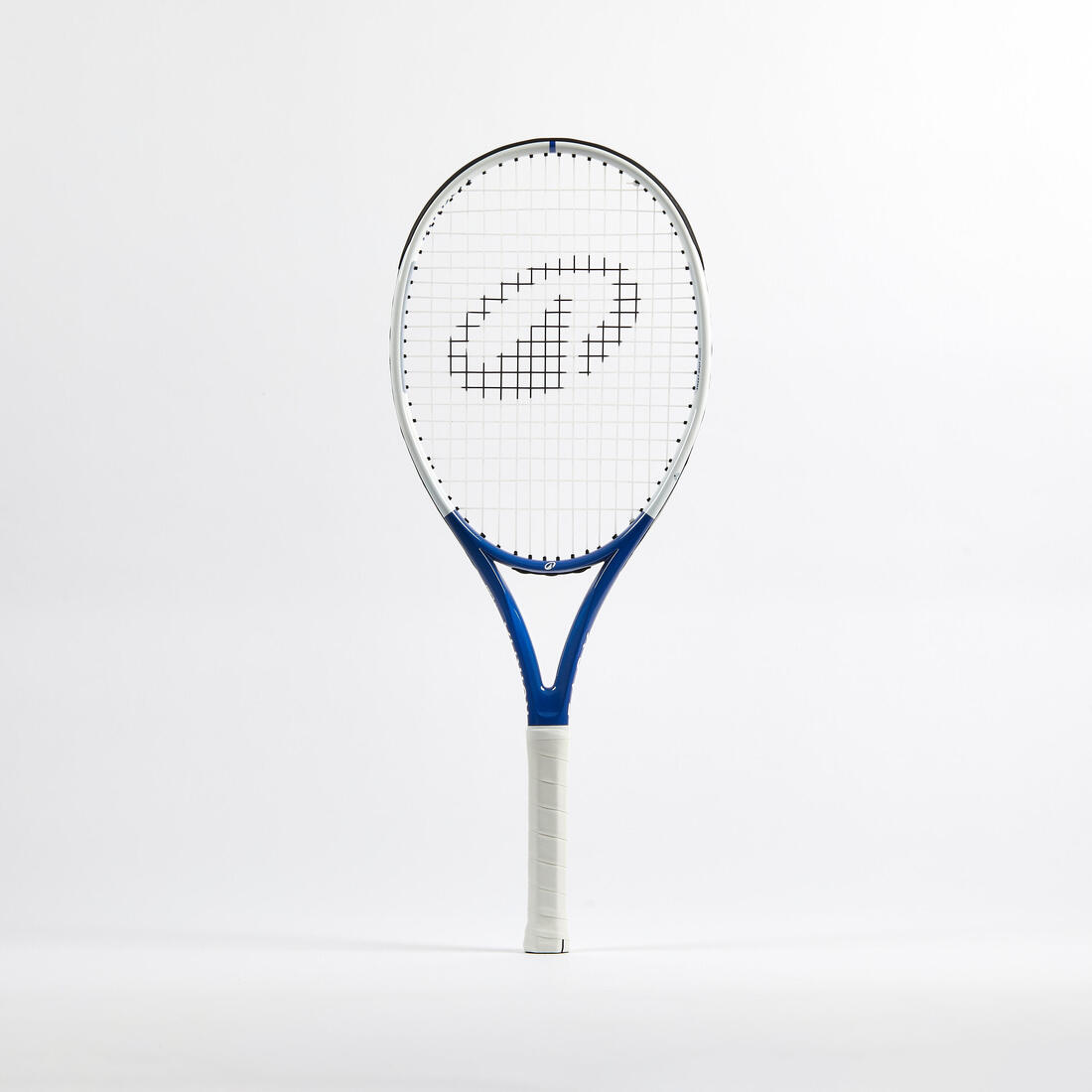
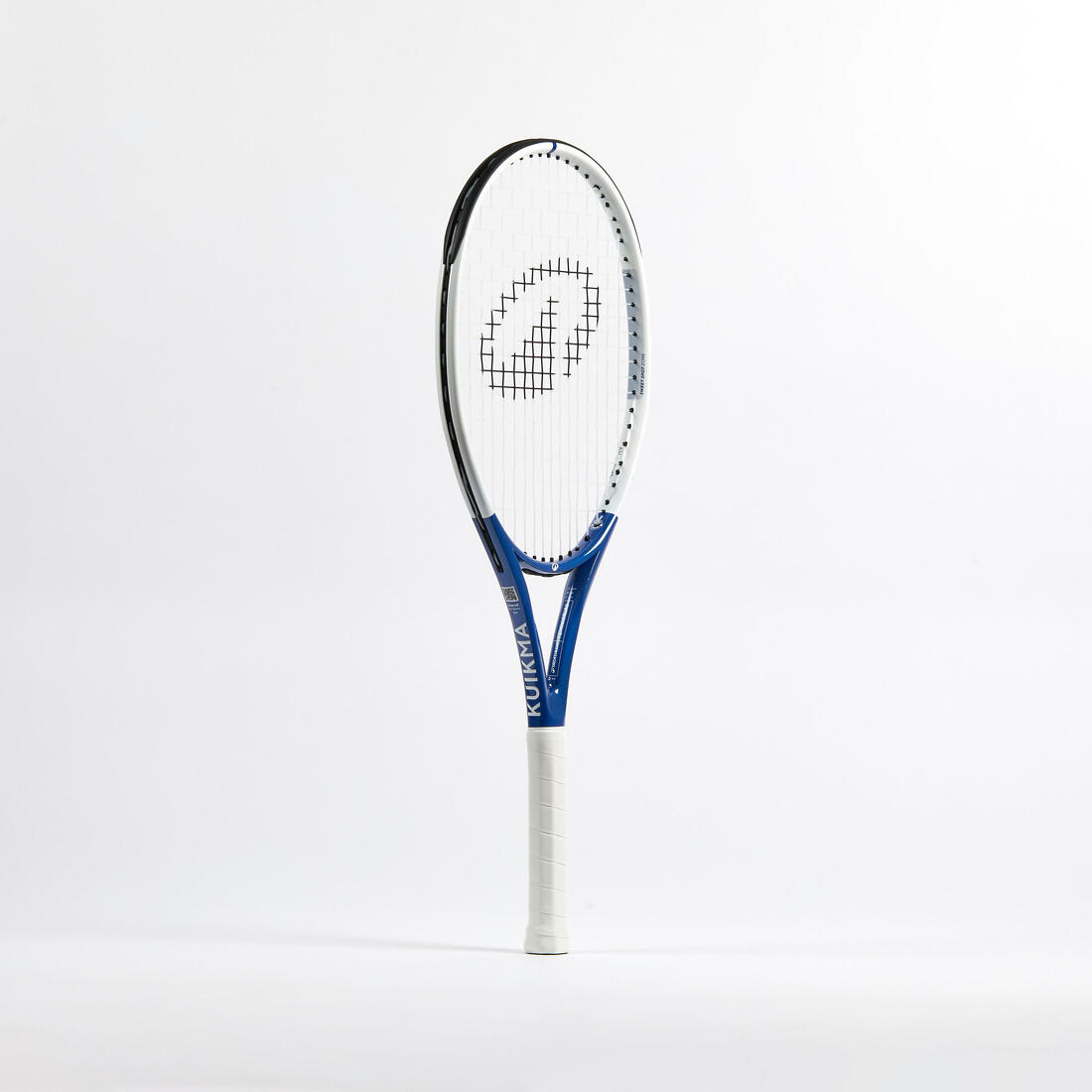
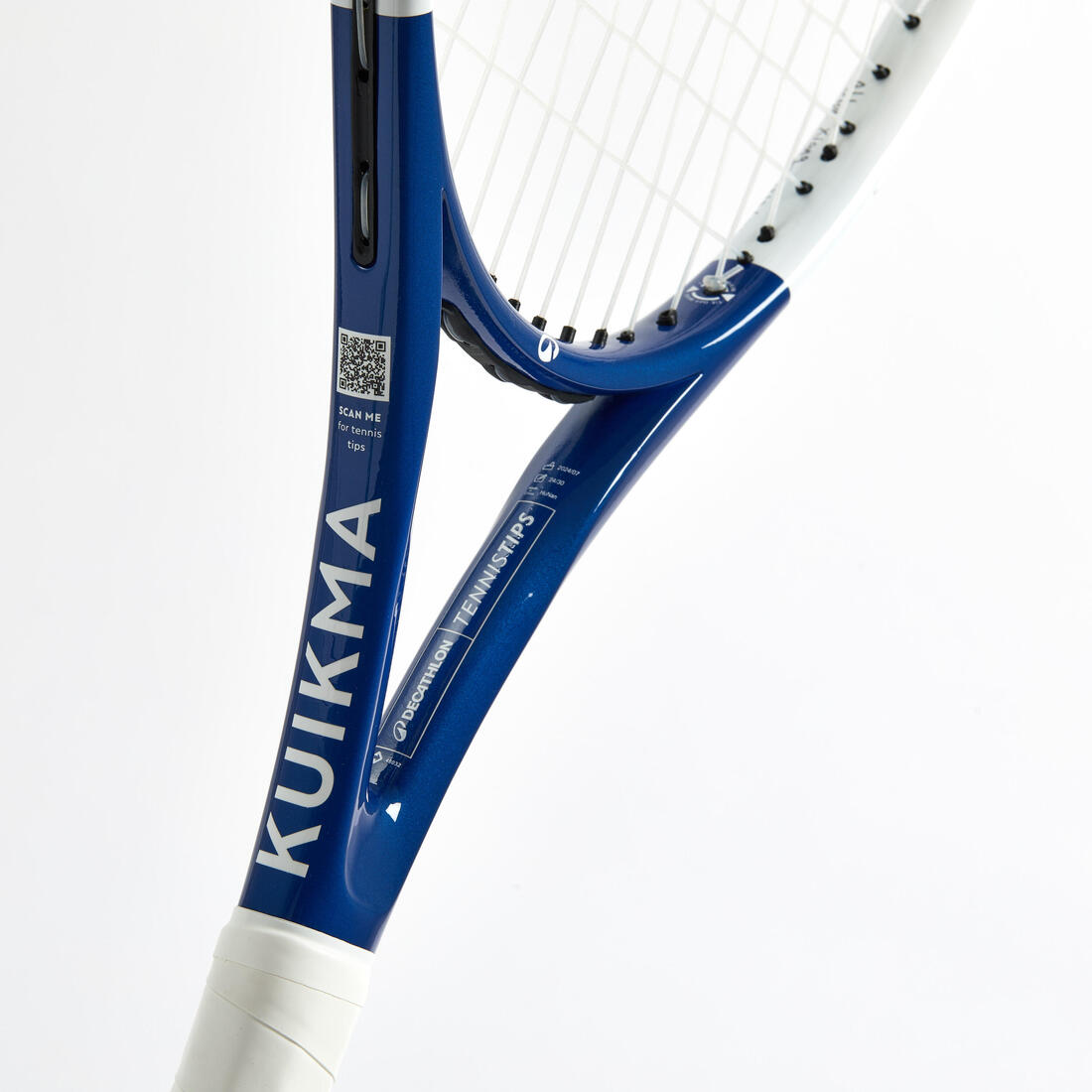
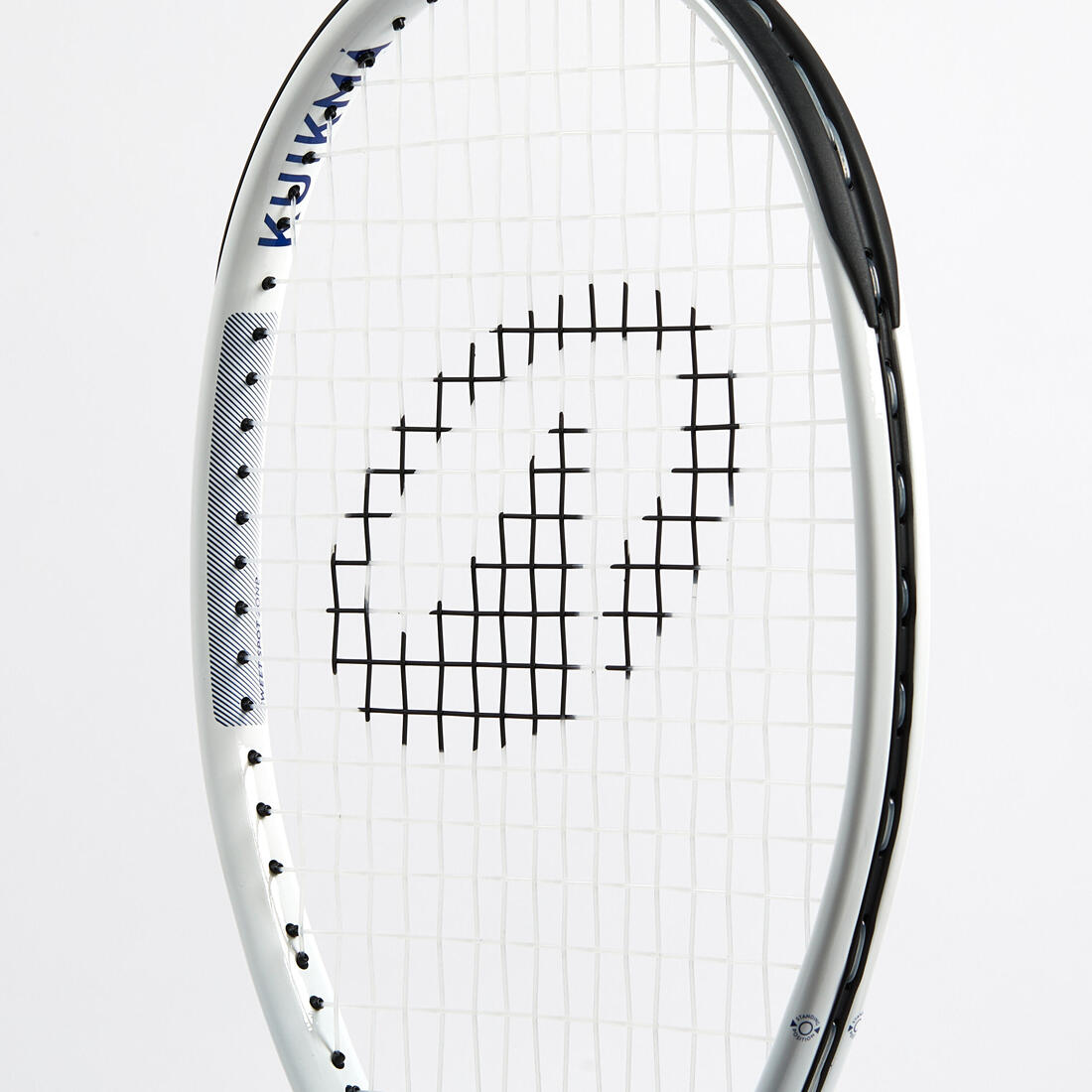
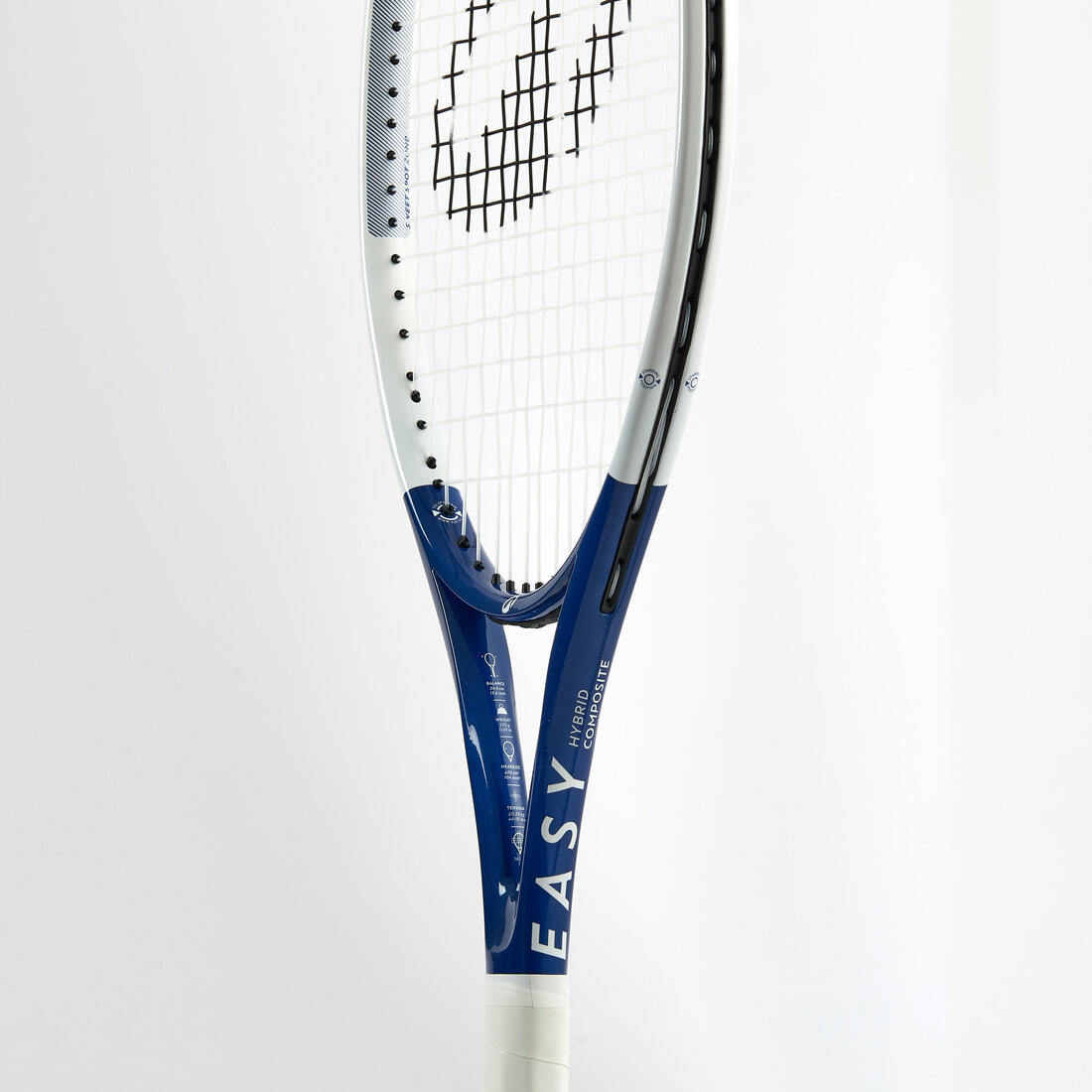
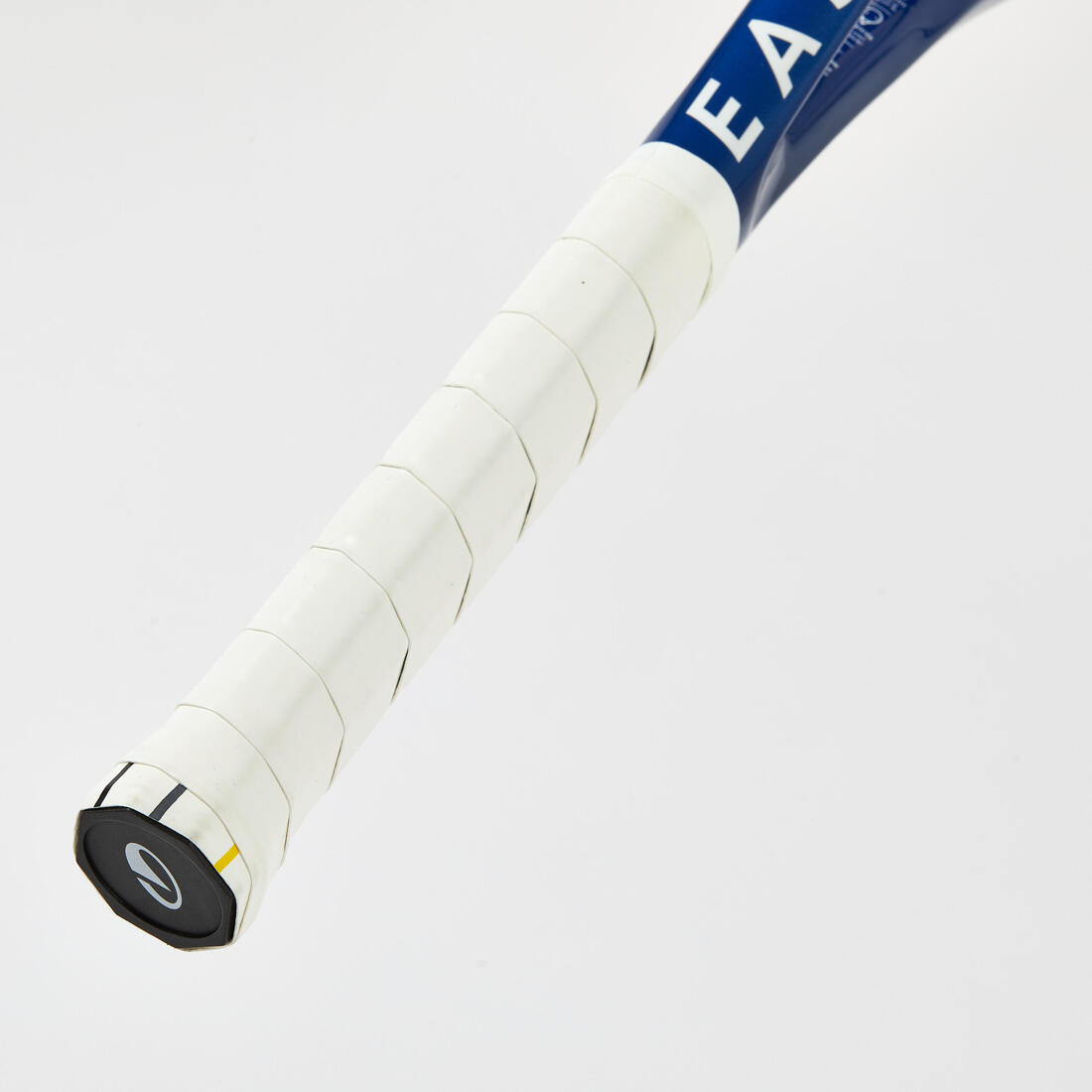
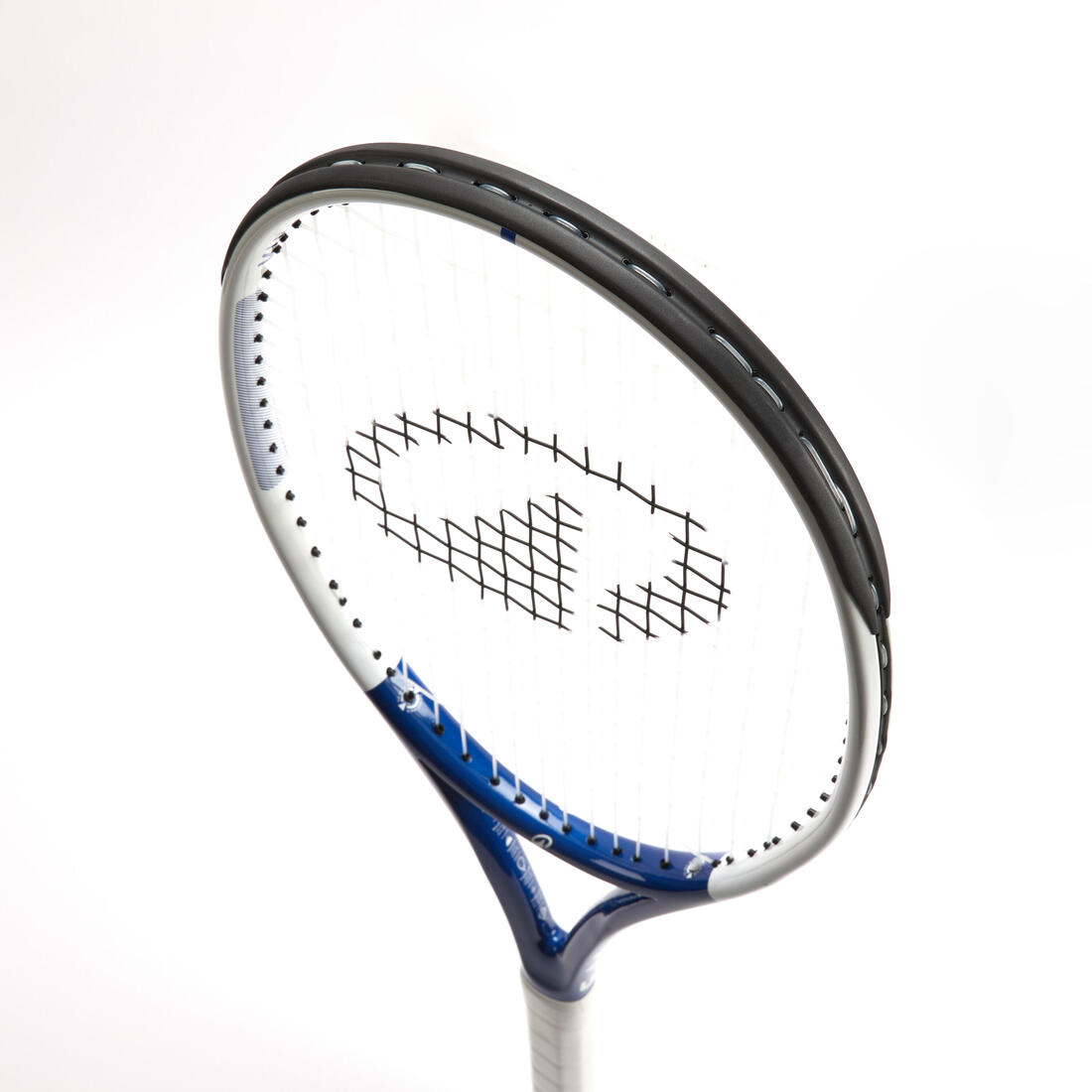
This racket was designed for beginning players looking for a versatile racket to help with learning the movements of tennis.
Its 670 cm² head size and 34.5 cm balance provide this tennis racket with a very good balance of forgiveness and power, all while ensuring excellent ease of handling.
This racket was designed for beginning players looking for a versatile racket to help with learning the movements of tennis.
Its 670 cm² head size and 34.5 cm balance provide this tennis racket with a very good balance of forgiveness and power, all while ensuring excellent ease of handling.
This racket was designed for beginning players looking for a versatile racket to help with learning the movements of tennis.
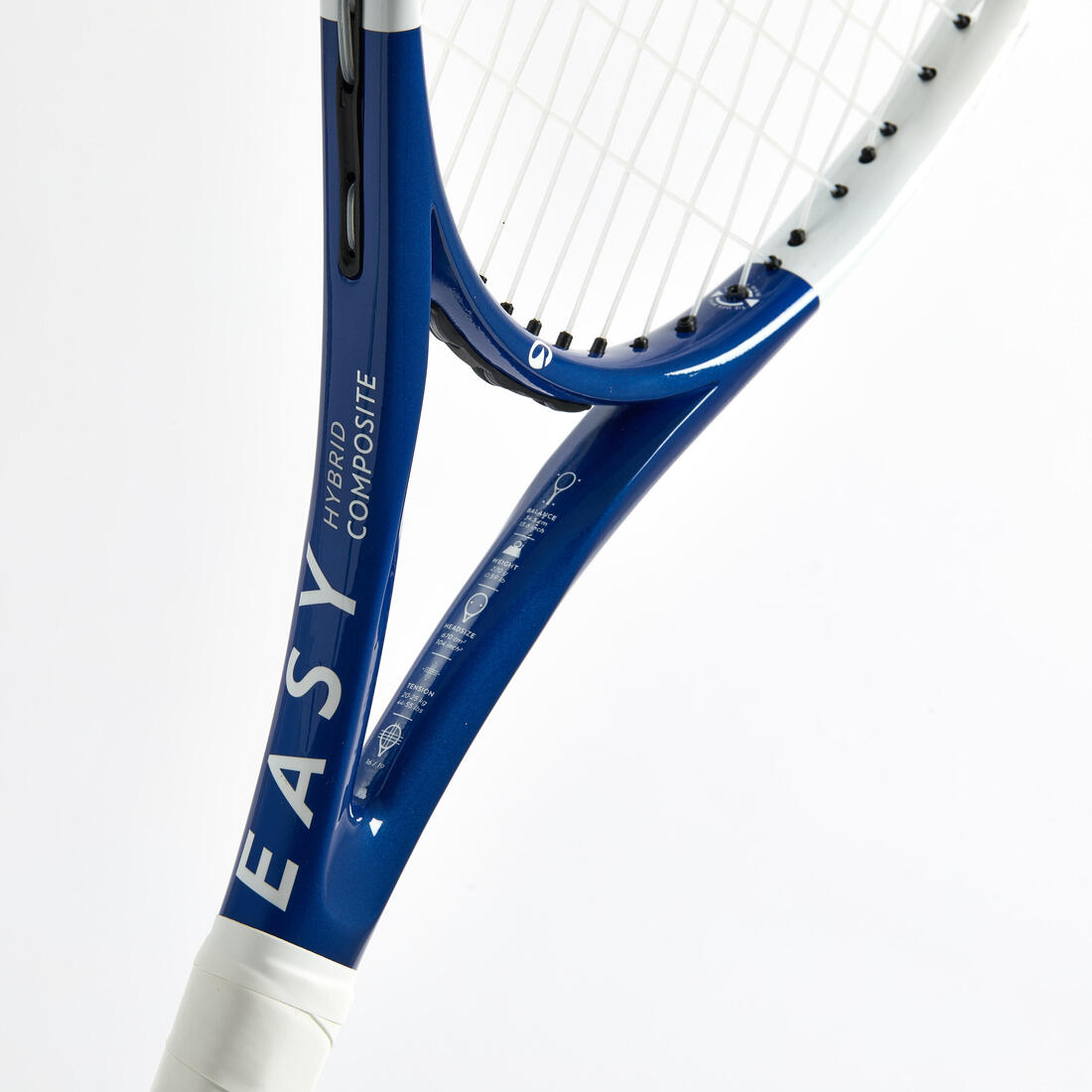
270 g. Weight: The racket's weight is measured in grams. Just like balance point and length, the weight impacts a racket's swing weight and therefore its manoeuvrability, stability and ability to transfer energy to the ball (power). The heavier the racket, the more power it transfers to the ball, but the harder it is to handle. The lighter the racket, the easier it is to handle, but the trade-off is less power.
670 cm² Head size: This is the surface area of the racket head size measured in squared centimetres. It has an impact on the racket's forgiveness and power. The larger the head size, the more powerful and forgiving it is, but the downside is less control. The smaller the head size, the greater the feeling of control, but you sacrifice some power and forgiveness.
34,5 cm Balance: This is the racket balance point, measured in centimetres from the bottom of the shaft. The higher the number (head heavy), the more powerful and stable upon impact the racket will be. However, it will also be harder to manoeuvre. The smaller the number (head light or handle heavy), the easier the racket will be to handle but you'll have less power and stability.
SW = 272 Swingweight: This indicates how easy a racket is to handle and its ability to transfer energy to the ball (power). The higher the swingweight, the more powerful the racket, but also the harder it will be to handle. Conversely, the lower the swingweight, the easier the racket will be to handle, but the trade-off is less power. The swingweight is derived from a combination of the racket weight, balance and length.
16 x 19 String pattern: This is the number of mains (vertical strings) x the number of crosses (horizontal strings). The more strings the pattern has, the more "closed" it is; the fewer it has, the more "open" it is. A more closed string pattern offers a greater feeling of control, but less power and spin. A more open string pattern provides more power and spin, but less control.
55 Ra Ra: Defines the racket's stiffness, meaning how much it will bend on impact with the ball. The stiffer the racket (the higher the Ra), the less it bends. The energy lost on impact is minimised and returned to the ball via the strings. Generally, a stiffer racket offers greater power.
Sizes 0, 1 and 2
68.5 cm
Its 670 cm² head size and 34.5 cm balance provide this tennis racket with a very good balance of forgiveness and power, all while ensuring excellent ease of handling.
3 technologies help with racket grip and movements
Its light weight (270 g) makes the racket easy to handle

Its 670 cm² head size and swingweight improve the power of your strikes
Its 670 cm² head size provides good forgiveness of off-centre shots.
This racket was designed for beginning players looking for a versatile racket to help with learning the movements of tennis.
This racket was designed for beginning players looking for a versatile racket to help with learning the movements of tennis.
270 g. Weight: The racket's weight is measured in grams. Just like balance point and length, the weight impacts a racket's swing weight and therefore its manoeuvrability, stability and ability to transfer energy to the ball (power). The heavier the racket, the more power it transfers to the ball, but the harder it is to handle. The lighter the racket, the easier it is to handle, but the trade-off is less power.
670 cm² Head size: This is the surface area of the racket head size measured in squared centimetres. It has an impact on the racket's forgiveness and power. The larger the head size, the more powerful and forgiving it is, but the downside is less control. The smaller the head size, the greater the feeling of control, but you sacrifice some power and forgiveness.
34,5 cm Balance: This is the racket balance point, measured in centimetres from the bottom of the shaft. The higher the number (head heavy), the more powerful and stable upon impact the racket will be. However, it will also be harder to manoeuvre. The smaller the number (head light or handle heavy), the easier the racket will be to handle but you'll have less power and stability.
SW = 272 Swingweight: This indicates how easy a racket is to handle and its ability to transfer energy to the ball (power). The higher the swingweight, the more powerful the racket, but also the harder it will be to handle. Conversely, the lower the swingweight, the easier the racket will be to handle, but the trade-off is less power. The swingweight is derived from a combination of the racket weight, balance and length.
16 x 19 String pattern: This is the number of mains (vertical strings) x the number of crosses (horizontal strings). The more strings the pattern has, the more "closed" it is; the fewer it has, the more "open" it is. A more closed string pattern offers a greater feeling of control, but less power and spin. A more open string pattern provides more power and spin, but less control.
55 Ra Ra: Defines the racket's stiffness, meaning how much it will bend on impact with the ball. The stiffer the racket (the higher the Ra), the less it bends. The energy lost on impact is minimised and returned to the ball via the strings. Generally, a stiffer racket offers greater power.
Sizes 0, 1 and 2
68.5 cm
Its 670 cm² head size and 34.5 cm balance provide this tennis racket with a very good balance of forgiveness and power, all while ensuring excellent ease of handling.
3 technologies help with racket grip and movements
Its light weight (270 g) makes the racket easy to handle
Its 670 cm² head size and swingweight improve the power of your strikes
Its 670 cm² head size provides good forgiveness of off-centre shots.
This racket was designed for beginning players looking for a versatile racket to help with learning the movements of tennis.
0 reviews
0 reviews
Member card
Please log in to view your member card.
Member card
Please log in to view your member card.

Reviews