🚚 Free delivery on orders over SAR 299* | Excludes heavy items
Cookie Policy
I agree to the processing of my data in accordance with the terms set out in the Privacy Policy.Cart
Your cart is empty
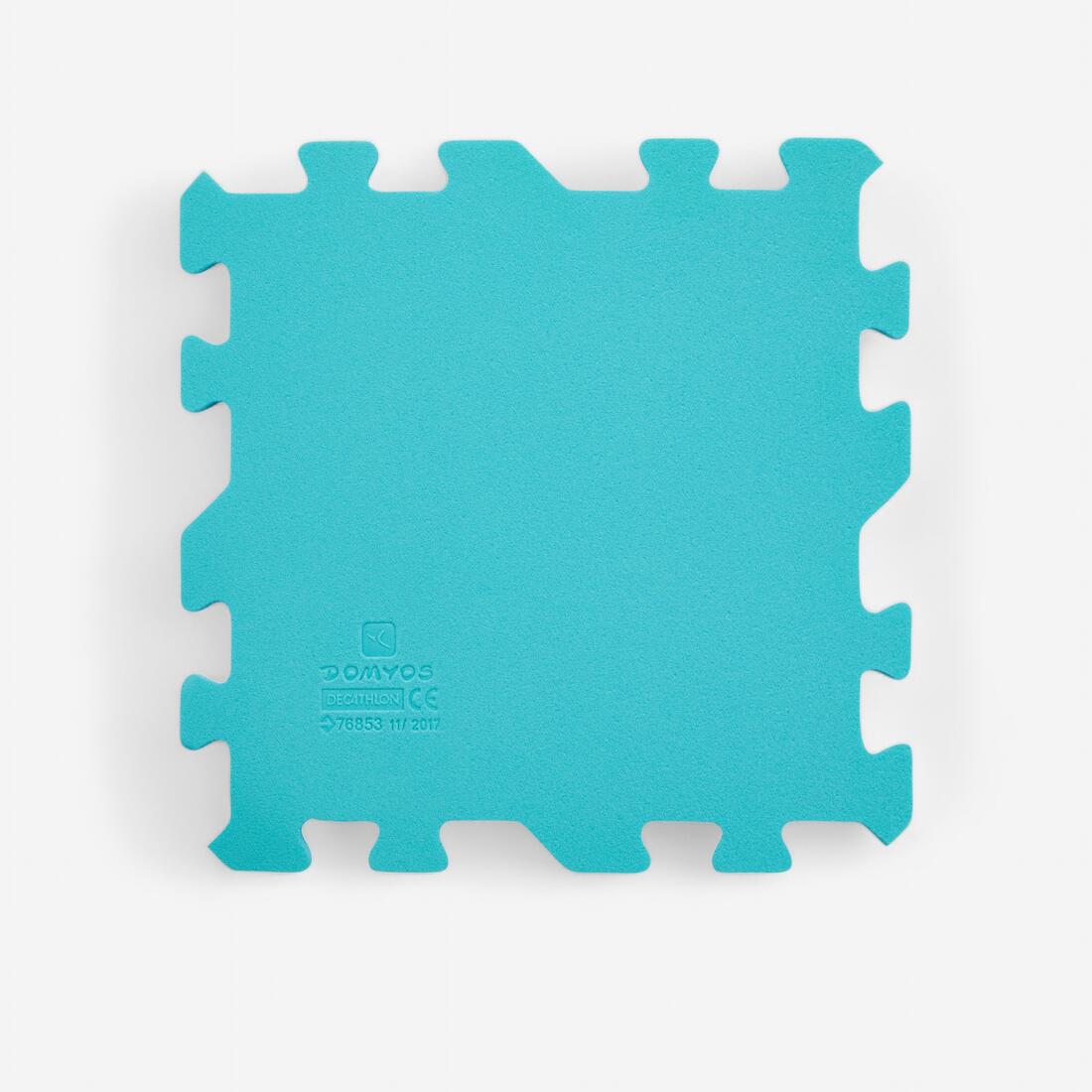

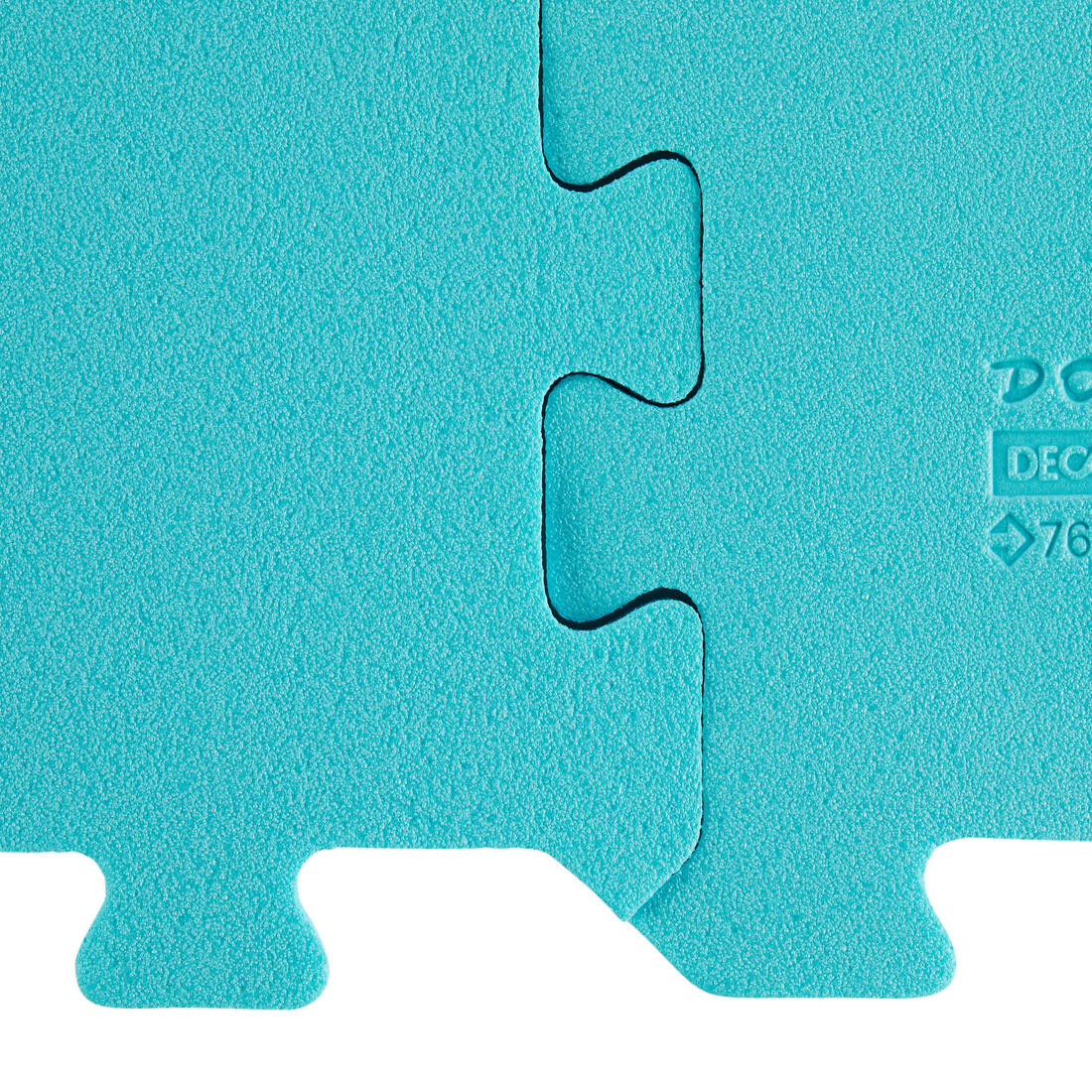
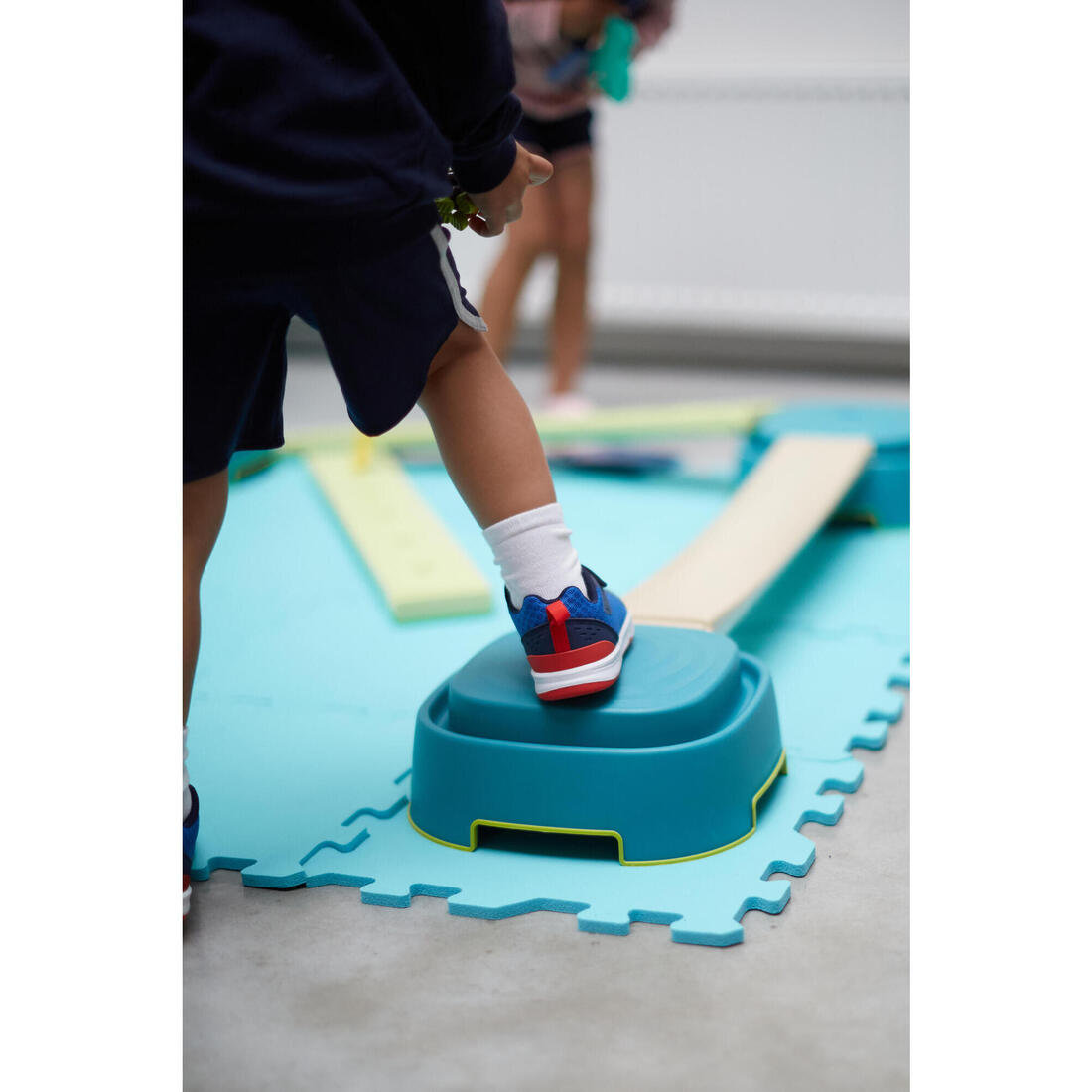
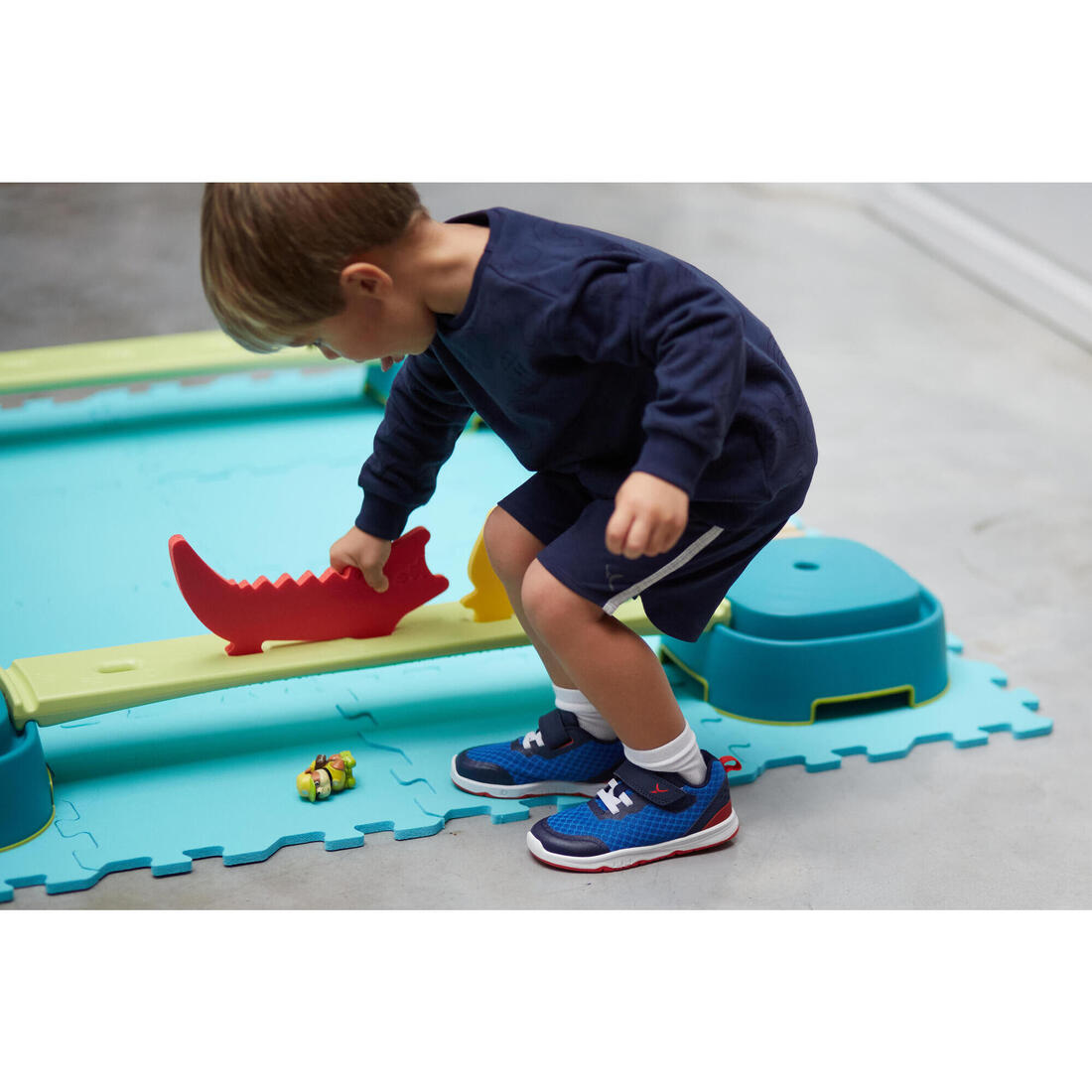
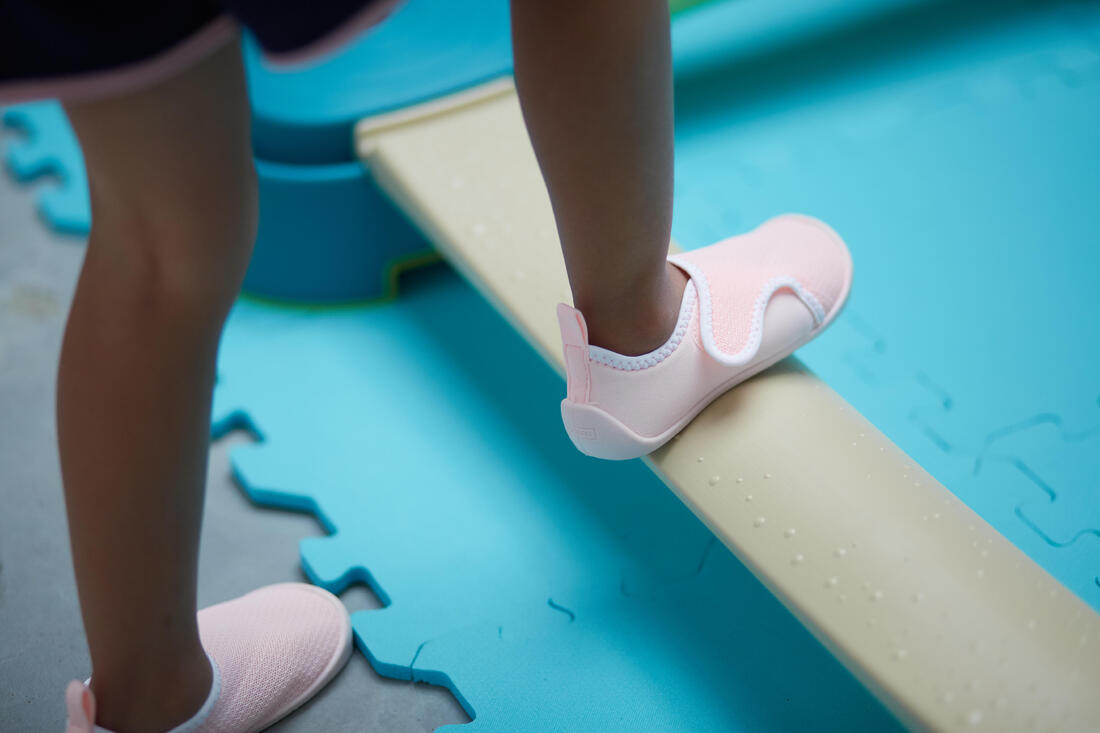
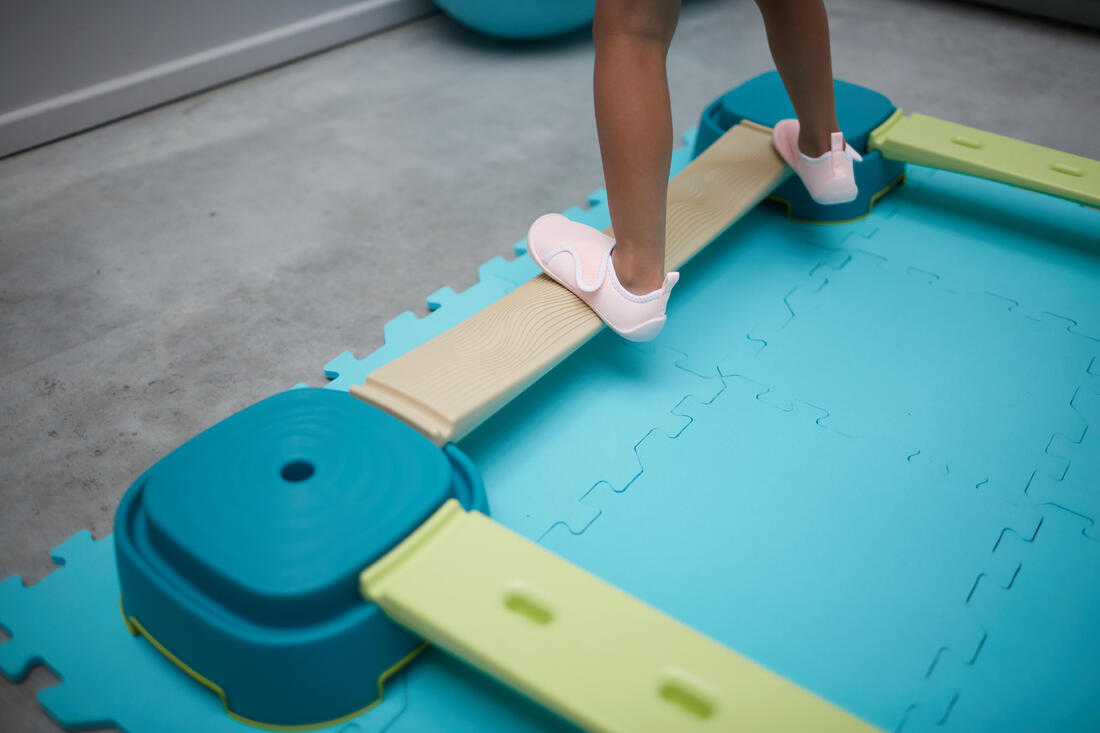
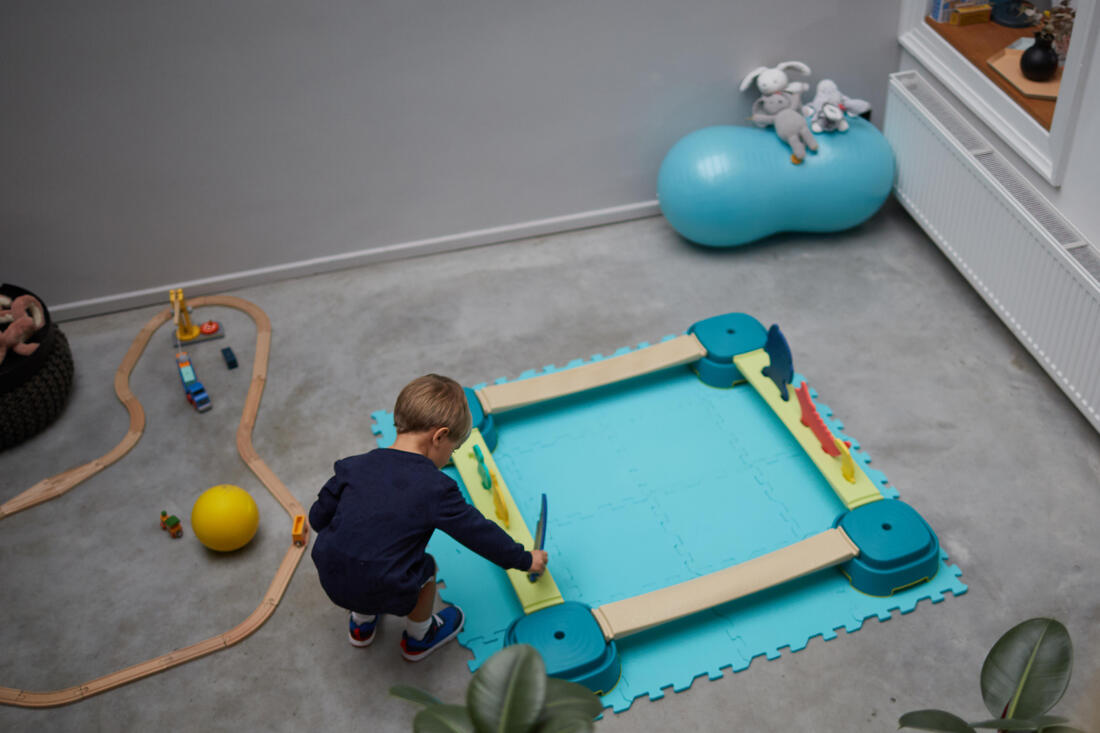
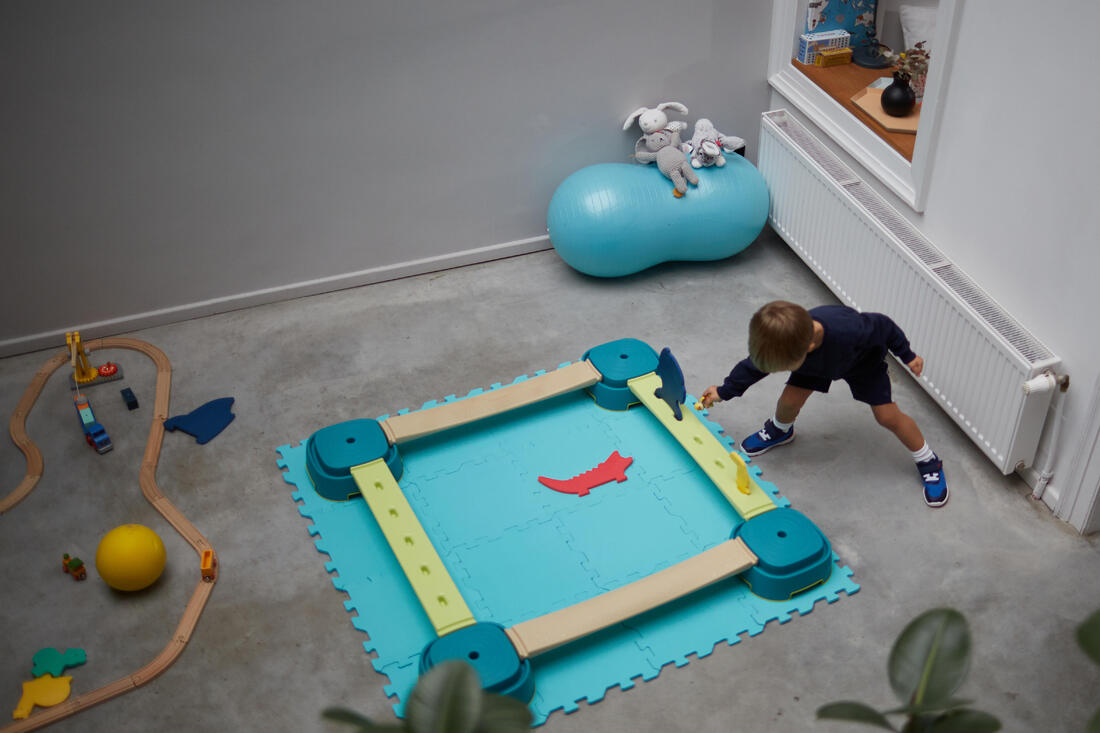
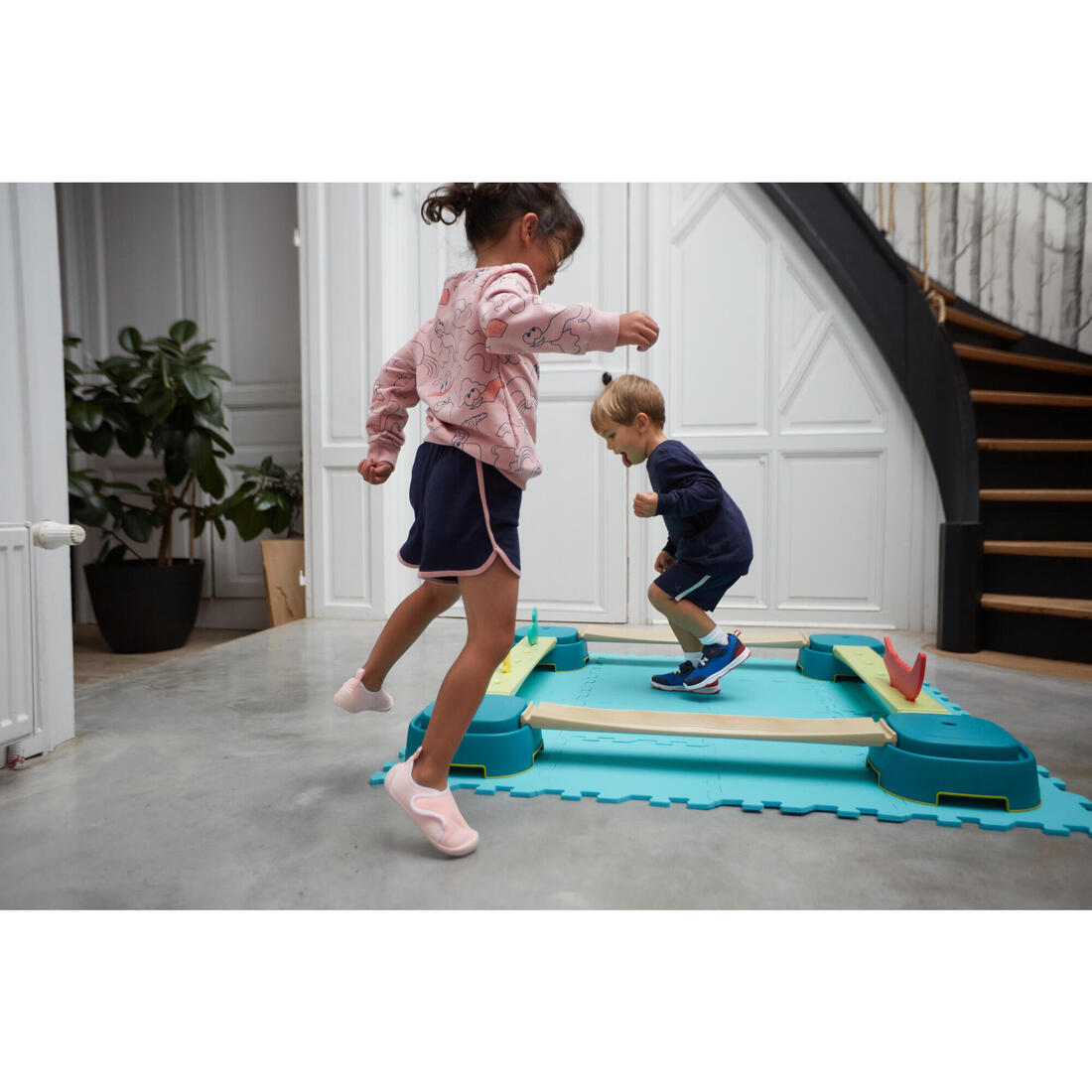
A basic, practical foam tile, sold singly to create your own kids' play area.
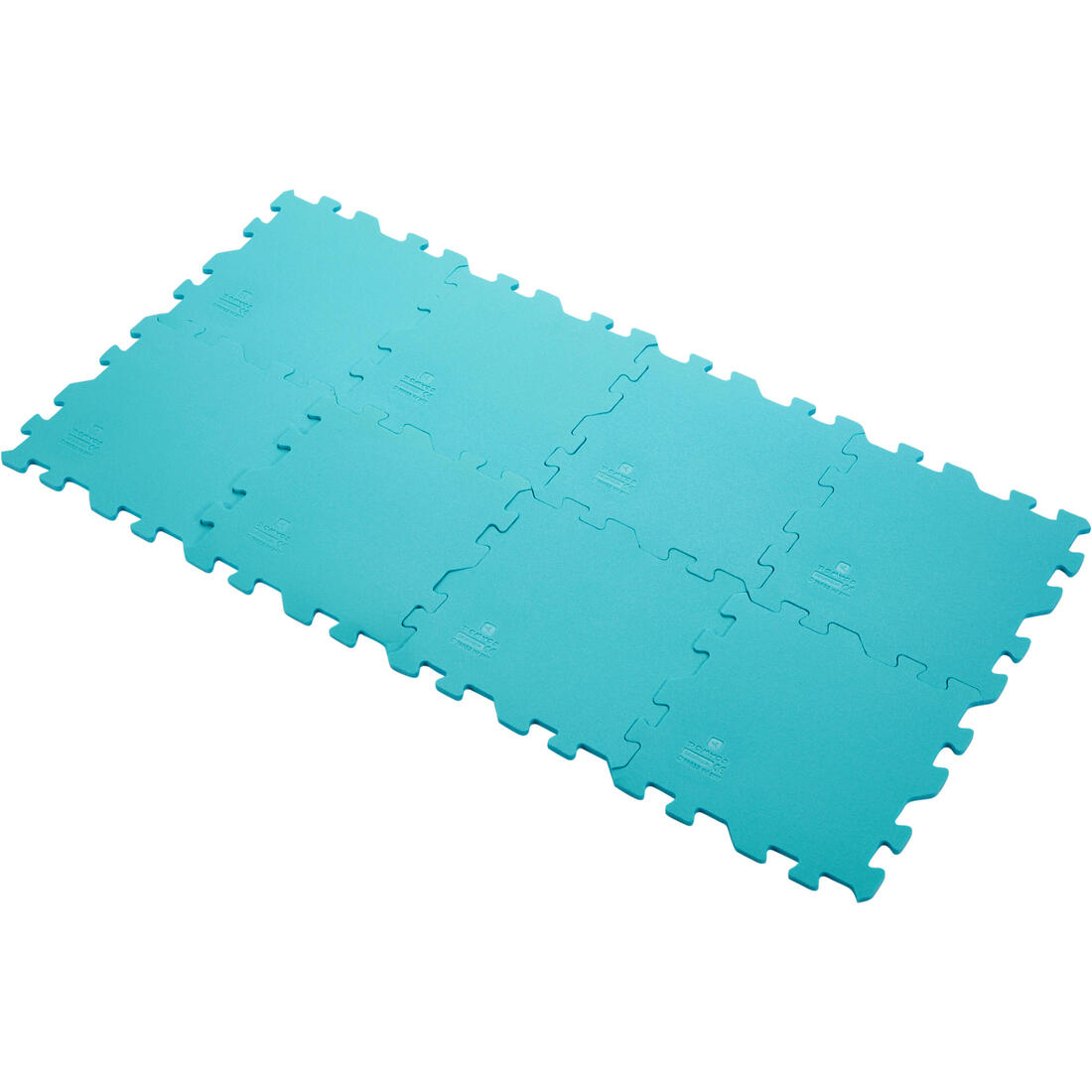
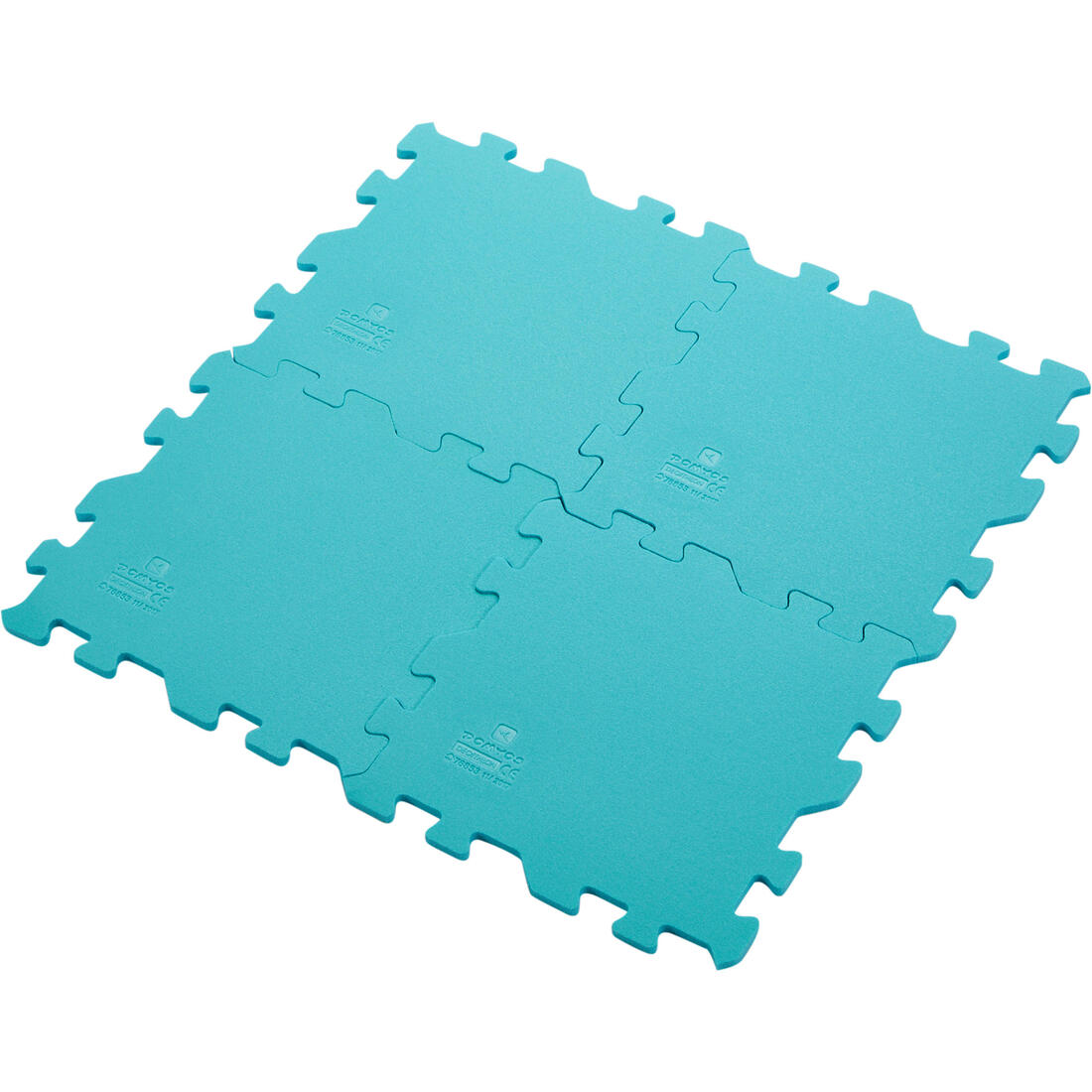
Create your own play area based on your space. 9 mats are big enough to do somersaults!
A basic, practical foam tile, sold singly to create your own kids' play area.
Create your own play area based on your space. 9 mats are big enough to do somersaults!
A basic, practical foam tile, sold singly to create your own kids' play area.
Children under the age of 4 must learn how to control their body and move in any given direction by slowly waddling forward on 2 feet. At 4-years-old, a child can walk, putting one foot in front of the other, on a path measuring at least a foot and a half wide. At age 6, children can walk heel to toe on a beam that is at least as wide as their feet.
Kids' psychomotor development depends on a combination of genetics, motor skills and mental abilities. A product can impact a child's psychomotor development if it supports their motor skills. There are several aspects to motor skills: body mapping, dynamic coordination, balance, hand-eye coordination, fine motor skills, and temporal and spatial structuring.
The body map refers to a child's perception of their body, which allows them to master their movements and develop self awareness. It is developed based on sensations and actions ("a body that feels, moves"), before being represented and described ("bodily representation", drawing of a person). The more a child moves, the more they learn to refine their body map and the better they're able to move.
Hand-eye coordination includes actions required for aiming with part or all of your body: for young children, following a trajectory, then aiming first at large objects and targets, with the hands and feet, before moving on to smaller and smaller objects and targets as they learn to control their fingers: playing the piano, threading beads on a string, writing.
Time and space awareness includes everything that involves a child's perception of their self in time (before/after, rhythmic activity, day/night, seasons, etc.) and space (in front/behind, on/under, right/left, etc.)
Create your own play area based on your space. 9 mats are big enough to do somersaults!
Position the tiles to create a comfortable area for your child's movement
Material softens impacts. Density: 45 kg/m3, thickness: 10 mm.
Compact design for easy storage: 33 x 33 cm.
A basic, practical foam tile, sold singly to create your own kids' play area.
A basic, practical foam tile, sold singly to create your own kids' play area.
Children under the age of 4 must learn how to control their body and move in any given direction by slowly waddling forward on 2 feet. At 4-years-old, a child can walk, putting one foot in front of the other, on a path measuring at least a foot and a half wide. At age 6, children can walk heel to toe on a beam that is at least as wide as their feet.
Kids' psychomotor development depends on a combination of genetics, motor skills and mental abilities. A product can impact a child's psychomotor development if it supports their motor skills. There are several aspects to motor skills: body mapping, dynamic coordination, balance, hand-eye coordination, fine motor skills, and temporal and spatial structuring.
The body map refers to a child's perception of their body, which allows them to master their movements and develop self awareness. It is developed based on sensations and actions ("a body that feels, moves"), before being represented and described ("bodily representation", drawing of a person). The more a child moves, the more they learn to refine their body map and the better they're able to move.
Hand-eye coordination includes actions required for aiming with part or all of your body: for young children, following a trajectory, then aiming first at large objects and targets, with the hands and feet, before moving on to smaller and smaller objects and targets as they learn to control their fingers: playing the piano, threading beads on a string, writing.
Time and space awareness includes everything that involves a child's perception of their self in time (before/after, rhythmic activity, day/night, seasons, etc.) and space (in front/behind, on/under, right/left, etc.)
Create your own play area based on your space. 9 mats are big enough to do somersaults!
Position the tiles to create a comfortable area for your child's movement
Material softens impacts. Density: 45 kg/m3, thickness: 10 mm.
Compact design for easy storage: 33 x 33 cm.
A basic, practical foam tile, sold singly to create your own kids' play area.
0 reviews
0 reviews
Member card
Please log in to view your member card.
Member card
Please log in to view your member card.

Reviews